

 英语
英语 俄语
俄语 西班牙语
西班牙语
Контент
- 1 Роль аддитивной химии в смолах для порошковых покрытий
- 2 Распространенные семейства присадок и как они взаимодействуют с полиэфирными смолами
- 3 Сочетание аддитивной химии с системами отверждения: TGIC, HAA и гибрид
- 4 Практические рекомендации по выбору для различных сред применения
- 5 Устранение распространенных дефектов покрытия, вызванных аддитивным дисбалансом
- 6 Зачем выбирать производителя полиэфирной смолы, который разбирается в аддитивной химии?
- 7 Часто задаваемые вопросы: Практические вопросы об аддитивной химии и полиэфирных смолах
- 7.1 Что такое аддитивная химия в порошковых покрытиях?
- 7.2 Как свойства полиэфирной смолы влияют на совместимость добавок?
- 7.3 Могу ли я использовать один и тот же пакет присадок для смол TGIC и HAA?
- 7.4 Оказывает ли БЭСД техническую поддержку при подборе присадок?
- 7.5 Почему на моем порошковом покрытии появляются отверстия только на толстых пленках?
Было 11 часов вечера. в четверг, когда позвонил менеджер по производству: последняя партия порошкового покрытия прошла все проверки качества смолы, однако на затвердевшей пленке были видны точечные отверстия и апельсиновая корка. Смола была в порядке. Отвердитель был в порядке. Однако пакет присадок не был сбалансирован для этой конкретной полиэфирной основы. Это тихий и решительный мир аддитивной химии.
Аддитивная химия – это наука о небольших процентах, которые создают или разрушают состав порошкового покрытия. Добавки, снижающие текучесть, дегазирующие составы, матирующие вещества, УФ-стабилизаторы и модификаторы заряда редко превышают 5% от общего веса, но они определяют, будет ли покрытие выглядеть гладким, хорошо прилипать, отверждаться без дефектов и выдерживать воздействие внешних условий. Поэтому понимание того, как эти добавки взаимодействуют с полиэфирной смолой, не является роскошью; это самый быстрый путь к стабильному производству и снижению затрат на доработку.
В BESD мы более двух десятилетий занимаемся производством полиэфирных смол для порошковых покрытий. От гибридных эпоксидных систем до марок, отверждаемых ТГИЦ и ХАА для наружного применения, мы видели, как одна и та же добавка может вести себя по-разному в зависимости от кислотного числа, вязкости и температуры стеклования. Этот опыт заложен в разработке наших смол и в технической поддержке, которую мы предлагаем разработчикам рецептур, производителям красок и контрактным производителям по всему миру.
Идея этой статьи проста: если вы хотите предсказуемого качества покрытия, вы должны рассматривать смолу и пакет присадок как одну неразделимую систему. Мы объясним ключевые семейства аддитивной химии, сравним их поведение в различных химических реакциях отверждения, поделимся практическими рекомендациями по выбору и устранению неполадок, а также покажем, почему сотрудничество с производителем полиэфирных смол, который разбирается в этой науке, может снизить ваши риски и ускорить разработку продукта.
Ключевой вывод: Аддитивная химия является связующим звеном между качеством смолы и конечными характеристиками пленки; небольшие изменения в рецептуре создают огромные поверхностные эффекты, а перекрестный опыт поставщиков смол и разработчиков рецептур имеет важное значение для коммерческого успеха.
Роль аддитивной химии в смолах для порошковых покрытий
В порошковых покрытиях полиэфирная смола является пленкообразующей основой. Он обеспечивает механическую прочность, гибкость, адгезию и устойчивость к атмосферным воздействиям. Но сама по себе основа не создает поверхности, пригодной для коммерческого использования. Покрытие должно равномерно растекаться по подложке, высвобождать захваченный воздух, отверждаться до нужного блеска, противостоять разрушению под воздействием ультрафиолета и должным образом заряжаться во время электростатического распыления. Все эти функции выполняются добавками, а их взаимодействие со смолой регулируется химией добавок.
Параметры смолы, такие как кислотное число, гидроксильное число, вязкость расплава и температура размягчения, определяют химическую среду, в которую смешиваются добавки. Например, смола с очень высоким кислотным числом может вступать в реакцию с основными добавками, изменяя их эффективность. Для смолы с высокой вязкостью могут потребоваться более сильные добавки, повышающие текучесть, для достижения такого же выравнивания. Смола с низкой температурой стеклования может влиять на стабильность порошка при хранении, что, в свою очередь, влияет на миграцию и цветение добавок. Это не академические нюансы; это практические переменные, которые определяют, пройдет ли ваше покрытие успешно или нет.
Чтобы понять, почему химия присадок заслуживает внимания, рассмотрим типичные количества, используемые в стандартном составе порошкового покрытия. Большинство добавок занимают менее 5 процентов от общей формулы, но именно они определяют, насколько хорошо порошок течет, дегазирует и отверждает. В таблице ниже приведены общие диапазоны дозировок нескольких семейств добавок в порошковых покрытиях на основе полиэстера. Эти цифры не являются универсальными, но они обеспечивают практическую отправную точку для новых формулировок и устранения неполадок. Читая таблицу, имейте в виду, что оптимальный уровень во многом зависит от химического состава смолы и метода нанесения.
Добавки, повышающие текучесть и выравнивающие свойства, обычно добавляются в количестве 0,5–1,5% для уменьшения апельсиновой корки и улучшения гладкости пленки. Дегазирующие агенты, такие как бензоин, в концентрации 0,3–0,8% помогают устранить поры, вызванные воздухом или реакционными газами. Матирующие агенты часто требуют более крупных добавок, от 1% до 5%, в зависимости от желаемого уровня блеска и свойственной смоле реакционной способности. УФ-стабилизаторы и светостабилизаторы на основе затрудненных аминов используются в концентрации 0,5–2% для защиты наружных покрытий от разрушения. Добавки, контролирующие заряд, улучшают эффективность электростатического распыления всего на 0,1–0,5%, однако они могут быть разницей между равномерным покрытием и пустотами в клетке Фарадея.
Для глянцевого внутреннего покрытия можно использовать только присадку, повышающую текучесть, и бензоин, что упрощает систему. Покрытие TGIC для наружного применения, напротив, требует использования УФ-стабилизаторов, антиоксидантов и иногда матирующих веществ для достижения как устойчивости к атмосферным воздействиям, так и контролируемого качества поверхности. Уменьшение содержания матирующего агента ниже 1% может не привести к желаемому блеску, а превышение 5% может ухудшить механические свойства и вызвать ломкость. Агенты, повышающие текучесть, более 1,5% могут вызвать помутнение или образование кратеров в тонких пленках, особенно если вязкость расплава смолы уже низкая. Таким образом, пакет присадок должен быть настроен с той же тщательностью, что и основная цепь полимера. По этой причине поставщики смол, обладающие опытом в разработке рецептур, могут сэкономить клиентам недели проб и ошибок в их собственных лабораториях.
Ключевой вывод: Самый полезный вывод из аддитивной химии заключается в том, что небольшие изменения создают большие поверхностные эффекты; Работа с поставщиком смол, который может проконсультировать по совместимости добавок, — это самый быстрый путь к стабильному производству и предсказуемому качеству покрытия.
Распространенные семейства присадок и как они взаимодействуют с полиэфирными смолами
Каждое семейство добавок выполняет свою функцию, но все они должны учитывать функциональные группы смолы, текучесть расплава и кинетику отверждения. Ниже мы рассмотрим наиболее важные семейства присадок для порошковых покрытий на основе полиэстера и объясним, на что следует обращать внимание при смене марки смолы.
Добавки для повышения текучести и выравнивания
Добавки, повышающие текучесть, обычно акриловые сополимеры или соединения на основе силикона, мигрируют к поверхности во время течения расплава и выравнивают разницу поверхностного натяжения. Они необходимы для уменьшения апельсиновой корки и кратеров. Необходимое количество зависит от вязкости смолы и толщины пленки покрытия. Для смолы с более высокой вязкостью обычно требуется более высокий уровень добавки, повышающей текучесть, но слишком большое ее количество может вызвать мутный вид или даже нарушение межслойной адгезии.
В гибридных эпоксидных системах, где смола имеет более низкое кислотное число и умеренную реакционную способность, добавки, повышающие текучесть, действуют предсказуемо и часто добавляются в количестве 0,8–1,2%. Наша гибридная полиэфирная смола, отверждаемая эпоксидной смолой, обеспечивает чистое и стабильное течение расплава, что делает дозировку добавок более воспроизводимой в разных партиях. Когда вы меняете поставщика смолы, не думайте, что тот же уровень добавки, повышающей текучесть, подойдет; всегда проводите испытание в клиновой печи, чтобы наблюдать за процессом выравнивания.
 Гибридная полиэфирная смола эпоксидного отверждения для порошковых покрытий Эта гибридная смола обеспечивает чистое и стабильное течение расплава, что позволяет воспроизводить дозировку добавок в разных партиях. Его умеренная реакционная способность подходит для регулирования текучести добавок и помогает уменьшить образование пор при использовании с дегазирующими агентами. Посмотреть продукт →
 Дегазирующие агенты
Дегазирующие агенты, чаще всего бензоин, помогают захваченному воздуху и реакционным газам выйти из пленки до того, как покрытие загустеет. Без них появляются поры и небольшие кратеры, особенно в толстых пленках или покрытиях, нанесенных на пористые подложки. Бензоин эффективен при концентрации 0,3–0,8%, но его активность зависит от вязкости расплава смолы и времени гелеобразования. Очень быстро отверждаемая смола оставляет меньше времени для выхода пузырьков, поэтому может потребоваться немного более высокий уровень дегазации.
В системах, отверждаемых HAA, во время сшивки выделяется вода, что делает дегазацию еще более важной. Сочетание летучего побочного продукта и несколько более низкой реакционной способности HAA по сравнению с TGIC означает, что разработчикам рецептур часто необходимо более тщательно регулировать уровень бензоина. Мы рекомендуем начинать с 0,5% и корректировать его в зависимости от толщины пленки и типа подложки.
Матирующие и текстурирующие добавки
Матирующие агенты уменьшают блеск, создавая микроскопическую шероховатость поверхности или нарушая оптическую однородность пленки. Это могут быть порошки на основе воска, кремнезема или полимерные порошки. Текстурные добавки позволяют добиться разнообразной отделки: от мелкого песка до морщинистого рисунка. Взаимодействие со смолой особенно сильное: более реактивная смола затвердевает быстрее, улавливая матирующие частицы на поверхности и обеспечивая меньший блеск. Более медленная смола может позволить частицам опуститься, что приведет к более высокому блеску, чем ожидалось.
При использовании матирующих добавок в наружных системах TGIC или HAA убедитесь, что матирующий агент устойчив к УФ-излучению и не разлагается под воздействием солнечных лучей. Некоторые органические матирующие средства имеют тенденцию к пожелтению после длительного воздействия, что неприемлемо для архитектурных порошковых покрытий. Проверка блеска и цвета готовой пленки после воздействия QUV — единственный способ подтвердить совместимость с выбранной вами химией присадок.
УФ-стабилизаторы и антиоксиданты
Для наружных порошковых покрытий решающее значение имеет защита от УФ-излучения. Поглотители ультрафиолетового излучения и светостабилизаторы на основе затрудненных аминов (HALS) продлевают срок службы покрытия, предотвращая разрыв полимерной цепи и изменение цвета. Полиэфирные смолы, предназначенные для эксплуатации на открытом воздухе, такие как наши отверждаемые марки TGIC и HAA для наружных работ, уже обладают некоторой устойчивостью к атмосферным воздействиям, но добавки по-прежнему играют важную роль в долгосрочном сохранении блеска.
Взаимодействие между антиоксидантами и системой лечения имеет значение. В покрытиях, отверждаемых TGIC, фенольные антиоксиданты могут влиять на реакцию отверждения, если их использовать в больших количествах. HALS также могут со временем мигрировать на поверхность, влияя на блеск. Мы советуем разработчикам рецептур оценивать весь пакет стабилизаторов в конечном покрытии, а не только компонент смолы, поскольку в аддитивной химии часто наблюдаются синергетические эффекты.
Добавки для контроля заряда
Применение электростатического порошка зависит от способности порошка принимать и удерживать заряд. Добавки для контроля заряда, также называемые трибодобавками, регулируют фрикционный заряд частиц порошка. В системах, в рецептах которых содержится большое количество матирующих веществ или металлических пигментов, естественный заряд может подавляться, что затрудняет достижение однородной толщины пленки. Добавление агента контроля заряда в концентрации 0,1–0,5% восстанавливает эффективность осаждения и помогает покрыть углубления.
Поскольку добавки для контроля заряда часто представляют собой ионные соединения, они могут взаимодействовать с кислотными или гидроксильными группами полиэфирной смолы. В гибридных системах более низкое кислотное число обычно снижает риск ионного взаимодействия. Для систем TGIC и HAA с более высоким кислотным числом выбирайте добавку для контроля заряда, предназначенную для таких химических процессов; в противном случае вы можете увидеть непостоянную скорость потока порошка и проблемы с клеткой Фарадея.
Ключевой вывод: Каждое семейство присадок имеет свой профиль совместимости с полиэфирными смолами; Знание того, как кислотное число, вязкость расплава и химия отверждения изменяют поведение присадок, является основой успешной разработки рецептур.
Сочетание аддитивной химии с системами отверждения: TGIC, HAA и гибрид
Выбор отвердителя меняет химическую среду, в которой должны работать добавки. TGIC, HAA и гибридные системы, отверждаемые эпоксидной смолой, имеют разные механизмы реакции, побочные продукты и конечные свойства. В таблице ниже сравниваются ключевые различия, влияющие на решения в области аддитивной химии.
| Параметр | TGIC | HAA | Гибрид (эпоксидная смола) |
|---|---|---|---|
| Дозировка отвердителя | ~5–7 часов | ~4–6 час. | ~3–4 части эпоксидной смолы |
| Побочный продукт реакции | Нет | Вода | Нет |
| Прочность на открытом воздухе | Отлично | Очень хорошо | От плохого до справедливого |
| Требование дегазации | Умеренный | Высокий | От низкого до умеренного |
| Типичная реакция матирования | Чувствительный | Умеренный | Стабильный |
| Контроль заряда tendency | Хорошо | Умеренный | Хорошо |
| Общие приложения | Архитектурный, автомобильный | Мебель, заборы | Бытовая техника, офисная мебель |
Системы, отвержденные TGIC, обеспечивают превосходную атмосферостойкость и химическую стойкость. Поскольку TGIC отверждается посредством раскрытия оксиранового кольца без образования низкомолекулярных побочных продуктов, покрытие получается плотным, без пор и относительно умеренным уровнем дегазации. Однако TGIC классифицируется как токсичный, поэтому многие разработчики переходят на альтернативы HAA. С точки зрения добавок, TGIC реагирует с карбоксильными группами смолы; кислотное число полиэфира является критическим параметром. Более высокие кислотные значения ускоряют реакцию, а это означает, что матирующим агентам и добавкам, улучшающим текучесть, требуется меньше времени для выравнивания перед гелеобразованием, что потенциально может привести к более четкой текстуре поверхности.
Для составов TGIC для наружного применения мы предлагаем специальную полиэфирную смолу, отверждаемую TGIC для наружного применения, разработанную для обеспечения стабильной реакционной способности и хорошего смачивания добавок. Он обеспечивает сбалансированную отправную точку для создания высокоэффективных архитектурных и промышленных покрытий.
Полиэфирная смола, отверждаемая TGIC для наружного применения, для порошковых покрытий Специальная смола, отверждаемая TGIC, со стабильной реакционной способностью и хорошей смачиваемостью присадками, обеспечивающая сбалансированную отправную точку для архитектурных и промышленных покрытий, требующих долговечности на открытом воздухе. Посмотреть продукт → Отверждение HAA (β-гидроксиалкиламид) нетоксично и обеспечивает превосходную долговечность на открытом воздухе, что делает его предпочтительным выбором для многих европейских и азиатских рынков. Основным отличием аддитивной химии является выделение воды во время отверждения. Этот побочный продукт увеличивает риск образования пор и вздутий, особенно в толстых пленках. Поэтому дегазирующие добавки становятся более важными. Поток расплава смолы должен быть настроен таким образом, чтобы водяной пар мог выйти наружу до того, как сшивающая сеть задержит его. Наша полиэфирная смола, отверждаемая HAA для наружного применения, имеет немного более низкую вязкость расплава для улучшения дегазации, что, в свою очередь, снижает количество требуемого бензоина.
Полиэфирная смола, отверждаемая HAA, для порошковых покрытий с низким уровнем дефектов Эта смола на основе HAA, разработанная с более низкой вязкостью расплава для улучшения выделения водяного пара во время отверждения, снижает риск образования пузырьков и вздутий, одновременно позволяя снизить содержание бензоина при нанесении толстых пленок. Посмотреть продукт → Гибридные системы, отверждаемые эпоксидной смолой, являются «рабочей лошадкой» для внутреннего применения. Они соединяют полиэфирную смолу с эпоксидной смолой, сшивая ее посредством реакций карбоксил-эпоксидной смолы. Гибридные системы менее чувствительны к дисбалансу добавок, поскольку они отверждаются без летучих побочных продуктов и имеют более медленную реакцию геля. Это дает разработчикам рецептур больше свободы в выборе текучих, матирующих и текстурирующих добавок. Однако внешняя долговечность ограничена, поэтому УФ-стабилизаторы необходимы редко, если только гибридное покрытие не используется в полуоткрытой среде, например, на крытом фасаде.
Ключевой вывод: Химия отверждения напрямую определяет набор присадок: системы HAA требуют более сильной дегазации, системы TGIC требуют точного контроля блеска, а гибридные системы обеспечивают более высокую устойчивость состава; Очень важно подобрать смолу в соответствии с конечным использованием и производственным процессом.
Практические рекомендации по выбору для различных сред применения
Аддитивная химия никогда не бывает универсальной. Та же добавка, которая действует на гладкое офисное кресло, может не действовать на текстурированную часть днища автомобиля. Мы собрали практические рекомендации по выбору для основных сегментов рынка, где используются порошковые покрытия, основываясь на нашем ежедневном опыте производителя и поставщика полиэфирных смол для компаний, занимающихся покрытиями по всему миру.
В следующей таблице общие условия применения сочетаются с факторами аддитивности, которые доминируют при разработке рецептур. Используйте его в качестве стартового контрольного списка при разработке нового покрытия или устранении неисправностей существующего.
Автомобилестроение и транспортПокрытия должны противостоять воздействию каменных сколов, суровых погодных условий и чистящих химикатов. Высокая текучесть для поверхности класса А часто сочетается с ударопрочностью. Матирование используется редко, но добавки для контроля заряда важны для изделий сложной геометрии. Испытание на выносливость под воздействием УФ-излучения и солевого тумана имеет решающее значение. | Строительные материалы и архитектураПреобладают долговременная устойчивость к атмосферным воздействиям и сохранение цвета. УФ-стабилизаторы и HALS важны. Матирующие средства можно использовать для получения архитектурной отделки с низким глянцем; убедитесь, что они не препятствуют адгезии и не вызывают меления. Уровни дегазации должны быть оптимизированы для получения более толстых пленок при экструзии. |
Бытовая техникаТипичны гладкие, устойчивые к царапинам поверхности с высоким блеском. Добавки, повышающие текучесть и выравнивающие свойства, имеют решающее значение для достижения зеркального блеска. Поскольку большинство приборов используются внутри помещений, УФ-добавки обычно не нужны. Гибридные смолы широко распространены и предлагают хорошее соотношение цены и качества. | Оборудование для фитнеса и садаЭти продукты требуют превосходной долговечности на открытом воздухе и устойчивости к коррозии. Подходят обе системы HAA и TGIC. Пакеты присадок должны включать УФ-стабилизаторы и антиоксиданты. Для уменьшения бликов можно использовать матирующие средства; текстурные добавки могут улучшить скрытие царапин. Контроль заряда полезен для объектов неправильной формы, таких как заборы и рамы. |
Офисная мебельТребуются быстрое отверждение, хорошие механические свойства и широкий диапазон уровней блеска. Гибридные системы и системы HAA работают хорошо. Дегазирующие добавки рекомендуются для металлических поверхностей с присущей им шероховатостью поверхности. Добавки, повышающие текучесть, следует выбирать так, чтобы избежать образования кратеров, когда подложка имеет высокую поверхностную энергию. | Оборудование связиТолстые покрытия могут влиять на рассеивание тепла и электрические свойства, поэтому важно контролировать толщину пленки. Добавки, влияющие на текучесть и выравнивание, не должны оставлять изолирующих остатков. Добавки для контроля заряда следует выбирать так, чтобы не влиять на свойства электромагнитного экранирования деталей с покрытием. |
При нанесении автомобильных порошковых покрытий мы часто видим, как разработчики рецептур сочетают нашу смолу TGIC для наружного применения с высокоэффективной добавкой, повышающей текучесть, и пакетом УФ-стабилизаторов. В результате получается покрытие, которое выдерживает как роботизированную сборочную линию, так и годы эксплуатации на дороге. Если вы разрабатываете новую линейку продуктов, сначала начните с химического состава смол, а затем создайте пакет присадок на основе конкретных испытаний производительности, которые потребуются вашему клиенту.
В качестве общего руководства начинайте создание каждой новой рецептуры с лабораторного эксперимента. Варьируйте одну добавку за раз и измеряйте ключевые свойства покрытия: время гелеобразования, текучесть, блеск, адгезию, ударную вязкость и стойкость к атмосферным воздействиям. Это покажет, какая добавка чувствительна к изменениям в партии смолы. Используя наши рекомендуемые марки смол, мы можем поделиться базовыми рекомендациями по добавкам, чтобы сократить этот процесс.
Ключевой вывод: Среда применения диктует приоритеты аддитивной химии; Структурированный подход, который объединяет выбор смолы, дозировку добавок и тестирование производительности, является наиболее надежным способом удовлетворить клиентов в каждом сегменте рынка.
Устранение распространенных дефектов покрытия, вызванных аддитивным дисбалансом
Когда порошковое покрытие выходит из строя, в первой реакции часто виновата смола или отвердитель. По нашему опыту, более половины жалоб, которые мы расследуем, связаны с химией добавок: слишком много одной добавки, слишком мало другой или добавка, которая просто несовместима с выбранной смолой. В таблице ниже приведены распространенные дефекты, их основные причины в пакете присадок и практические действия по их устранению.
| Дефект | Наблюдаемый симптом | Аддитивная химия причина | Практическое решение |
|---|---|---|---|
| Пинхолы | Небольшие отверстия в затвердевшей пленке, часто в более толстых участках. | Депассирование недостаточное; побочные продукты реакции (особенно HAA), попавшие в пленку | Увеличить бензоин на 0,1–0,2%; меньшая толщина пленки; повысить температуру предварительного нагрева подложки; выберите смолу с более низкой вязкостью расплава |
| Апельсиновая цедра | Неровная текстурированная поверхность, напоминающая кожуру цитрусовых. | Слишком низкий уровень текучей присадки; вязкость расплава смолы слишком высокая; затвердевает слишком быстро | Добавка для увеличения текучести; проверьте совместимость со смолой; снизить температуру отверждения; выберите смолу с более низкой вязкостью, например нашу смолу для наружных работ HAA. |
| Кратеры/рыбий глаз | Небольшие круглые углубления с приподнятыми краями. | Градиенты поверхностного натяжения; перегрузка текучей добавки; загрязнение добавками на основе силикона | Уменьшить текучесть добавки на 0,1–0,3%; чистый субстрат; избегайте добавок на основе силикона, если они не требуются; проверка на несовместимость матирующего средства и смолы |
| Потеря блеска | Показание блеска ниже ожидаемого | Избыток матирующего средства; добавка, повышающая текучесть, не смачивающая поверхность; смола слишком кислая, что приводит к более быстрому гелеобразованию | Уменьшите уровень матирующего средства; оценить другой тип матирования; проверить кислотное число смолы; увеличить текучесть добавки в безопасных пределах |
| Пожелтение после пересушки | Изменение цвета при воздействии на покрытие избыточного тепла | Антиоксидантный пакет недостаточный; взаимодействие добавок и ароматической структуры смолы (гибрид) | Добавьте высокотемпературный антиоксидант; проверить содержимое HALS; используйте смолу с лучшей устойчивостью к перегреву; проверить однородность температуры в духовке |
| Плохая зарядка/клетка Фарадея | Порошок не попадает в углубления; неполное покрытие | Контроль заряда additive missing or mismatched; powder resistivity too high | Добавьте или замените добавку для контроля заряда; уменьшить количество коронного порошка для увеличения трибозарядки; протестировать различные типы контроля заряда |
Соблазнительно попытаться решить проблему с точечными отверстиями, просто добавив больше бензоина. До определенного момента это работает, но избыток бензоина может сублимироваться в пленку покрытия, вызывая помутнение или снижение механических свойств. Лучший способ — определить причину образования газа: является ли смола слишком реакционноспособной для температуры печи или окно дегазации слишком узкое, потому что время гелеобразования слишком короткое? В BESD мы регулярно предоставляем кривые времени гелеобразования и спирального течения для наших полиэфирных смол, чтобы клиенты могли более точно моделировать окно дегазации.
Еще одна частая проблема — апельсиновая корка, которая периодически появляется между партиями одного и того же рецепта. Часто это связано с незначительными колебаниями вязкости расплава смолы. Наши возможности большой производительности и строгий контроль качества помогают свести к минимуму эти различия от партии к партии. Кроме того, мы можем предоставить технические паспорта, в которых указан приемлемый диапазон вязкости расплава и кислотного числа, что позволяет разработчикам рецептур заранее корректировать уровни добавок при поступлении новой партии смолы.
Если вы столкнулись с дефектом покрытия и не уверены, причина в химическом составе добавок или в качестве смолы, попросите у своего поставщика полную спецификацию смолы и образец из другой партии. Проведите простой тест на реологию отверждения, чтобы увидеть, соответствует ли профиль геля вашим ожиданиям. Это позволяет быстро определить, связана ли проблема с химической реактивностью или с физическим поведением добавки.
Ключевой вывод: Аддитивный дисбаланс проявляется в виде знакомых поверхностных дефектов; сочетание структурированного контрольного списка для устранения неполадок с надежными данными о характеристиках смолы от вашего поставщика сокращает время простоя и обеспечивает быстрое принятие корректирующих мер.
Зачем выбирать производителя полиэфирной смолы, который разбирается в аддитивной химии?
Каждый производитель смол может продать вам порошок с нужным кислотным числом и температурой стеклования. Меньше людей смогут рассказать вам о химических добавках, которые превращают этот порошок в надежное коммерческое покрытие. С 1998 года BESD позиционирует себя на стыке технологий синтеза и применения смол. Мы не просто поставщик; мы являемся партнером, который понимает, что происходит после того, как смола покидает наш завод.
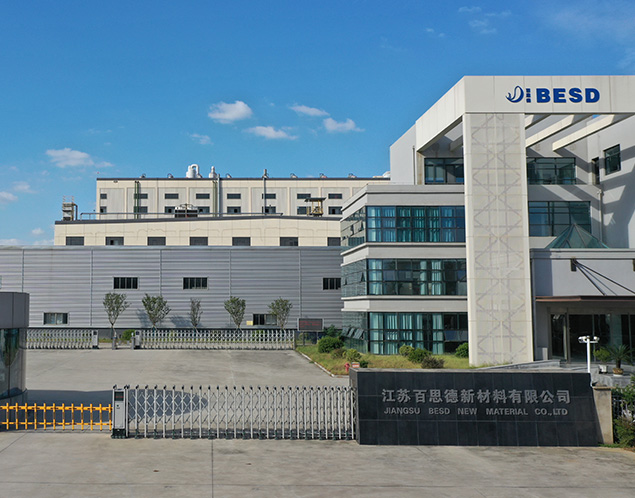
Наше производственное предприятие, расположенное в Химическом промышленном парке Янчжоу, работает с проектной мощностью 100 000 тонн в год. Такой масштаб дает нам стабильность для обслуживания крупных производителей покрытий и гибкость для обслуживания мелких оптовиков и специализированных разработчиков рецептур. Мы имеем сертификаты управления качеством ISO 9001 и экологического менеджмента ISO 14001, которые поддерживают стабильное качество смол и ответственное производство. Поскольку мы контролируем всю производственную цепочку от хранения сырья до автоматической упаковки, мы можем отслеживать каждую партию до ее точных технологических условий.
Исследования, разработки и индивидуализация занимают центральное место в нашем подходе. У нас есть специальная исследовательская группа, которая тесно сотрудничает с клиентами для разработки марок смол, оптимизированных для конкретных пакетов присадок. Если вам нужна смола с более высокой вязкостью расплава для текстурированной отделки или с более низким кислотным числом для более медленного отверждения с использованием определенного матирующего агента, наши услуги по индивидуальному заказу ODM/OEM могут удовлетворить это требование. Это особенно ценно для компаний, которые хотят создать дифференцированный продукт на переполненном рынке. Вместо адаптации покрытия к стандартной смоле вы можете начать со смолы, разработанной с учетом вашего химического состава добавок.
Мы также понимаем коммерческую сторону бизнеса. Являясь прямым производителем, мы поставляем продукцию производителям, импортерам и дистрибьюторам порошковых покрытий по всему миру. Мы предлагаем как стандартные сорта, так и продукцию, изготовленную на заказ, имея опыт экспорта на несколько континентов. Это означает, что вы можете положиться на нас как на долгосрочного партнера в сфере массового производства, обладающего технической глубиной для поддержки вашего инновационного процесса.
Независимо от того, являетесь ли вы разработчиком рецептуры, устраняющим дефект, менеджером по исследованиям и разработкам, разрабатывающим архитектурное покрытие для наружных работ, или менеджером по закупкам, ищущим надежный оптовый поставщик полиэфирной смолы, правильный химический состав добавок начинается с правильного химического состава смолы. Мы приглашаем вас обсудить ваши проблемы с формулировкой с нашей технической командой. Мы с радостью порекомендуем марку смолы и предложим стартовый пакет присадок, основанный на проверенном опыте.
Ключевой вывод: Производитель смол, который разбирается в аддитивной химии, сокращает ваш цикл разработки, снижает затраты на пробы и ошибки и дает вам конкурентное преимущество как в производительности, так и в скорости вывода продукции на рынок.
Часто задаваемые вопросы: Практические вопросы об аддитивной химии и полиэфирных смолах
На протяжении многих лет клиенты задавали нам бесчисленное количество вопросов по формулированию. Приведенные ниже ответы отражают наиболее распространенные опасения по поводу химии добавок в порошковых покрытиях на основе полиэстера.
Что такое аддитивная химия в порошковых покрытиях?Аддитивная химия — это наука и практическое искусство выбора, дозирования и балансировки второстепенных компонентов в формуле порошкового покрытия, которые контролируют текучесть, дегазацию, матирование, зарядку, устойчивость к ультрафиолетовому излучению и многие другие поверхностные явления. Хотя добавки присутствуют в небольших количествах, они химически и физически взаимодействуют с полиэфирной смолой и отвердителем, определяя конечное качество пленки. |
Как свойства полиэфирной смолы влияют на совместимость добавок?Кислотное число определяет, насколько сильно смола реагирует с отвердителем и как она взаимодействует с основными добавками. Значение Hydroxl влияет на скорость отверждения при использовании некоторых отвердителей. Вязкость расплава контролирует, насколько легко добавки, повышающие текучесть, выравнивают поверхность. Температура стеклования влияет на стабильность порошка при хранении, что, в свою очередь, влияет на миграцию добавок. Хороший поставщик смол четко укажет эти параметры в техническом описании, чтобы разработчики рецептур могли соответствующим образом скорректировать пакет добавок. |
Могу ли я использовать один и тот же пакет присадок для смол TGIC и HAA?Не без доработок. Два химических процесса отверждения имеют разные побочные продукты реакции и скорость отверждения. Системы HAA выделяют воду, поэтому им нужен более сильный пакет дегазирующих присадок. Системы TGIC более чувствительны к матирующим агентам и часто выигрывают от тщательно сбалансированной добавки, повышающей текучесть. УФ-стабилизаторы рекомендуются для обеих наружных систем, но оптимальный тип и дозировка должны быть проверены для каждой системы смол. Всегда уточняйте у производителя смолы перед повторным использованием пакета присадок. |
Оказывает ли БЭСД техническую поддержку при подборе присадок?Да. Наша команда технической поддержки работает с клиентами, чтобы рекомендовать марки смол и стартовые пакеты присадок в зависимости от предполагаемого применения и требований к производительности. Мы также предлагаем лабораторные испытания и рекомендации по составлению рецептур для наших партнеров ODM/OEM. Хотя мы не продаем добавки, мы делимся опытом и данными, чтобы сэкономить ваше время и уменьшить экспериментальную рабочую нагрузку. |
Почему на моем порошковом покрытии появляются отверстия только на толстых пленках?Толстые пленки создают более длинный путь для выхода захваченного воздуха и реакционных газов до того, как покрытие загустеет. Если смола имеет высокую вязкость расплава или быстрое отверждение, газ задерживается и образует микропоры. Увеличьте уровень дегазационной добавки, уменьшите толщину пленки или выберите смолу с более медленной скоростью отверждения и меньшей вязкостью расплава. Наша смола HAA для наружных работ специально разработана для облегчения этой проблемы благодаря сбалансированной текучести расплава и гелеобразному профилю. |
Ключевой вывод: Наиболее частые проблемы с рецептурами можно решить, если признать, что химический состав добавок зависит от смолы; надежный поставщик смол, обладающий знаниями в области рецептур, является бесценным ресурсом для решения этих проблем.
Аддитивная химия – это не просто техническая деталь производства порошковых покрытий; это разница между покрытием, которое просто соответствует спецификациям, и покрытием, которое обеспечивает превосходный внешний вид, долговечность и консистенцию. От присадок, стирающих апельсиновую корку, до стабилизаторов, защищающих ограждение на протяжении десяти лет, каждый компонент необходимо выбирать с полным знанием того, как он взаимодействует с полиэфирной смолой и химическими процессами отверждения.
Как производитель полиэфирных смол с 26-летним опытом, BESD стремится помочь производителям покрытий, оптовикам и партнерам OEM/ODM справиться с этой сложной задачей. Мы предлагаем полный ассортимент гибридных смол, смол TGIC, HAA и изоцианатного отверждения, каждая из которых тщательно характеризуется, чтобы упростить вашу работу в области аддитивной химии. Наша годовая мощность в 100 000 тонн, строгий контроль качества и опыт глобального экспорта делают нас надежным партнером как в сфере объемов, так и в области инноваций.
Если вы собираетесь начать новый проект по разработке рецептуры или у вас есть стойкий дефект покрытия, который невозможно устранить обычным способом, свяжитесь с нами. Поделитесь своими требованиями к применению и выбором добавок, и мы порекомендуем смолу, которая обеспечит вам прочную основу для успеха.
Итоговый вывод: Для успешного порошкового покрытия требуется, чтобы смола и химические добавки работали как единое целое; выберите поставщика смол, который понимает это взаимодействие, и вы увидите это в качестве вашего покрытия, удовлетворенности клиентов и прибыли.


